How to Use Dance to Overcome Loneliness
For many retirees in Portugal, loneliness can become a significant challenge. Research indicates that social isolation can lead to adverse health effects, both mental and physical. One effective way to address this issue is through dance, particularly styles like bachata and salsa, which not only promote physical well-being but also foster social connections.
Understanding the Benefits of Dance
Dancing is not just a fun activity; it offers various psychological and social benefits. According to studies conducted by the American Dance Therapy Association, dance can enhance mood, reduce feelings of isolation, and improve overall mental health. This works because dance encourages physical movement, which is known to release endorphins, often referred to as "feel-good" hormones.
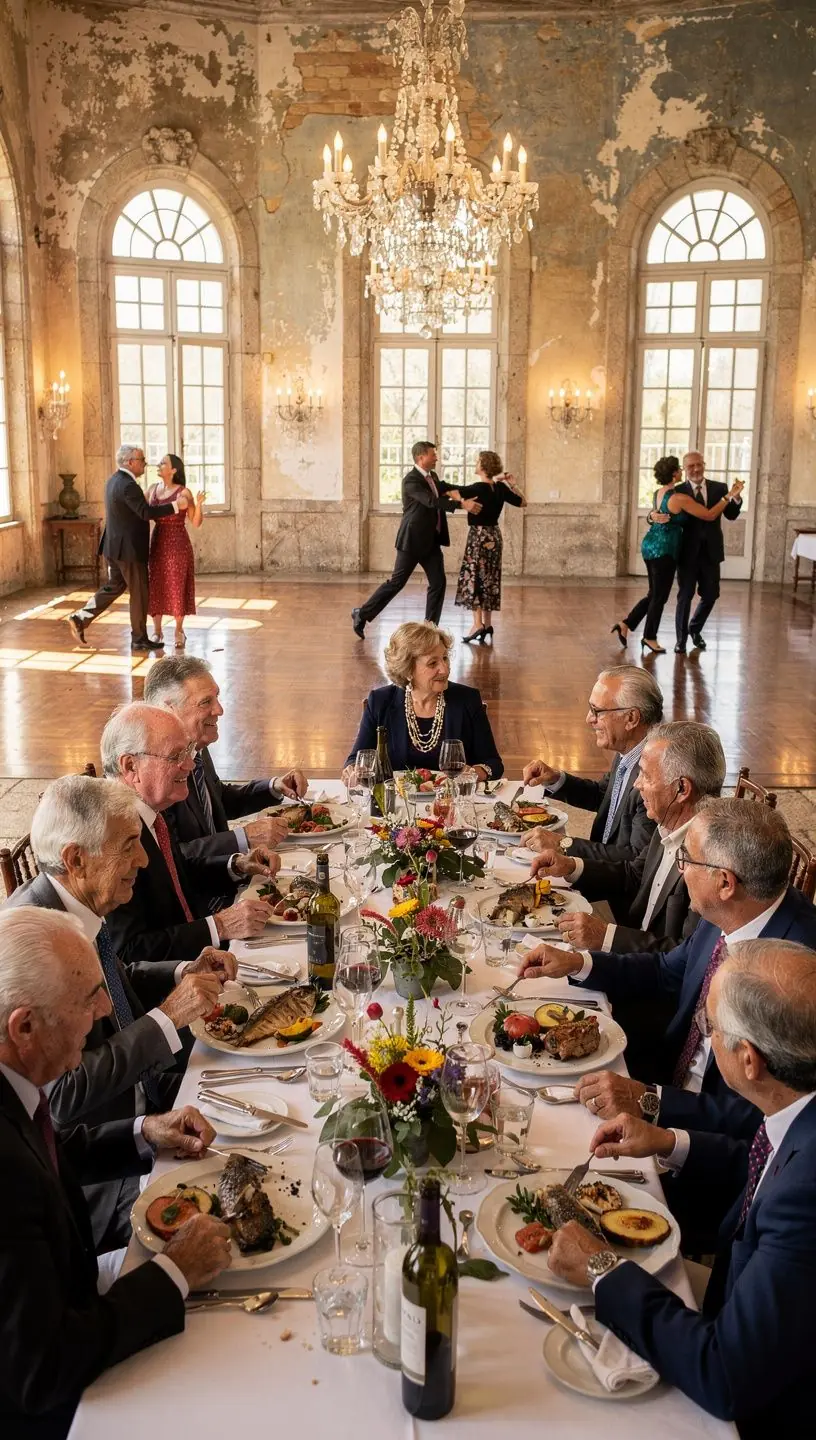
"Dance is a powerful tool for building social connections and boosting emotional health." - American Dance Therapy Association
How Dance Can Help Combat Loneliness
Engaging in dance can help retirees combat loneliness through several mechanisms:
- Social Interaction: Participating in group classes or salsa socials allows individuals to meet others with shared interests, fostering friendships and enhancing social networks. Many users report that such interactions significantly reduce feelings of isolation.
- Physical Activity: Regular dancing can improve physical health, which is linked to better emotional well-being. Research suggests that physical activity can decrease feelings of depression and anxiety.
- Skill Development: Learning new dance moves or styles can provide a sense of accomplishment, boosting self-esteem and confidence. This can counter feelings of inadequacy that may accompany retirement.
Getting Started with Dance
For those new to dance, starting can seem daunting. However, here are some steps to ease into it:
- Find a Local Class: Look for bachata or salsa classes in your area. Many community centers or dance studios offer beginner-friendly options. It's often recommended to start with a class that focuses on the basics.
- Attend Social Events: Join local dance socials to practice what you've learned. Research shows that participating in such events not only improves dance skills but also enhances social interactions.
- Dedicate Time: Regular practice is crucial. Aim for at least one dance class per week, supplemented by practice at home. This commitment typically leads to noticeable improvements in both skill and confidence over time.
Acknowledge the Challenges
While dancing can provide numerous benefits, it is important to recognize that it may not be a comprehensive solution for everyone. Some individuals may find it challenging to engage socially due to foststoke.org circumstances or health issues. It's essential to approach dance as one of many strategies to combat loneliness rather than a guaranteed fix.
Conclusion
Dancing can be an effective approach to overcoming loneliness, particularly for retirees looking to enhance their social lives. By engaging in regular dance activities, individuals not only improve their physical health but also create valuable social connections that can lead to lasting friendships. Remember, the journey may require commitment and practice, but the rewards can be significant. Consider incorporating dance into your routine and experience the potential benefits firsthand.
Learn More