Strategies for Engaging in Community Dance Activities
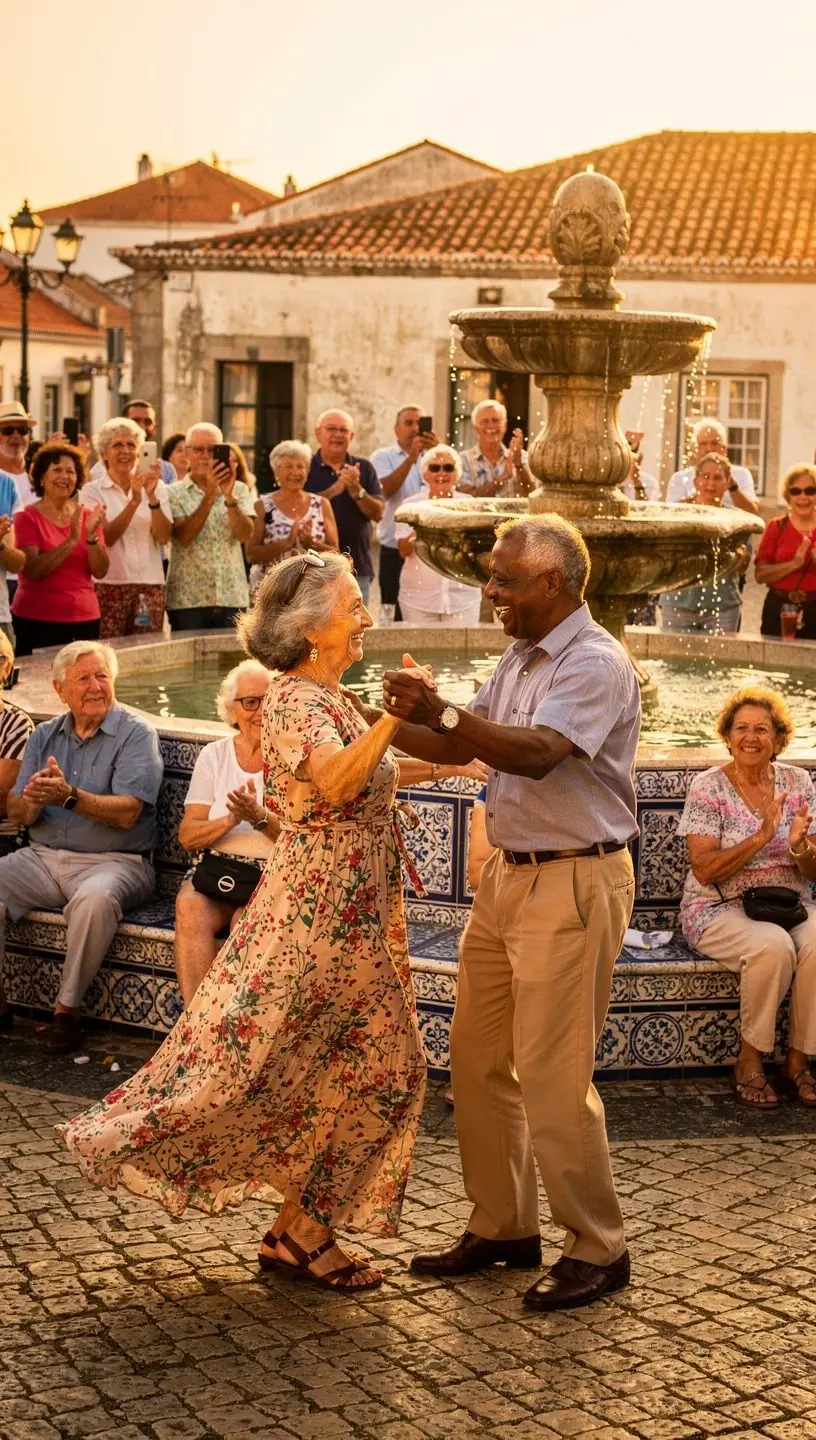
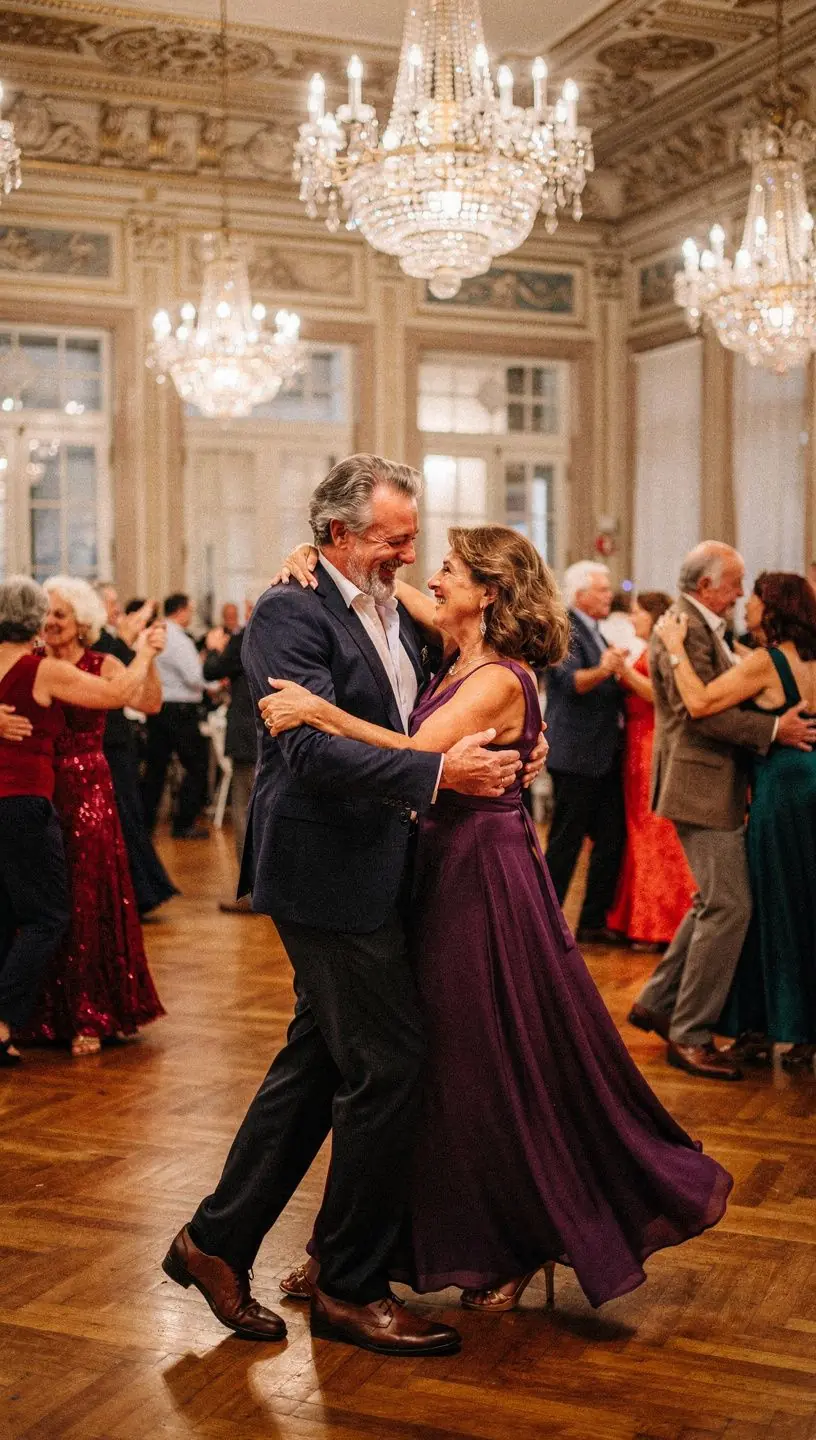
Engaging in community dance activities, such as bachata and salsa, can be a fulfilling way for retirees to connect with others while promoting physical and mental well-being. In this article, we will explore effective strategies for getting involved and enjoying the benefits of dance.
Understanding the Benefits of Community Dance
Participating in dance activities provides numerous benefits, particularly for retirees. Research indicates that engaging in regular physical activity, including dance, can help improve balance, coordination, and cardiovascular health. According to a study published in the Journal of Aging and Physical Activity, seniors who dance regularly often report enhanced mood and cognitive function.
"Dance is a form of exercise that can help older adults maintain their physical health while fostering social connections." - Experts in geriatric health
Strategies for Involvement
Here are several practical strategies to help you engage in community dance activities:
- Join Local Dance Classes: Many community centers and studios offer classes specifically designed for seniors. These classes often focus on social dances like bachata and salsa, providing a fun and engaging way to learn new skills.
- Attend Dance Socials: Participating in local dance socials can be an excellent opportunity to meet new people and practice your skills. These events typically take place in relaxed environments where you can dance freely without the pressure of competition.
- Volunteer at Events: Volunteering at dance-related events or socials can immerse you in the community while allowing you to contribute positively. This involvement often leads to additional engagement opportunities, such as joining dance troupes or participating in showcases.
Setting Realistic Expectations
While the benefits of engaging in community dance are significant, it is important to set realistic expectations. Many users report that consistent participation typically requires a commitment of 2-4 hours per week. Additionally, mastering dance techniques often involves a learning curve; hence, patience and dedication are crucial.
The principle behind this is that progress in dance comes with practice. Regular engagement not only enhances your skills but also increases your confidence on the dance floor.
Overcoming Barriers
Some retirees may feel hesitant to start dancing due to perceived limitations, such as lack of experience or physical constraints. Here are a few ways to overcome these barriers:
- Start Slow: If you're new to dance, consider starting with beginner classes that cater to all skill levels. This approach allows you to learn at your own pace.
- Seek Support: Partnering with a friend or joining a group can provide motivation and support. Many individuals find that sharing the experience with others enhances enjoyment and commitment.
- Consult Professionals: If you have health concerns, it's wise to consult with a healthcare provider before beginning any new physical activity. They can provide tailored advice based on your individual circumstances.
Conclusion
Engaging in community dance activities can enrich your life in numerous ways, from improving physical health to fostering new friendships. By following the strategies outlined above and setting realistic expectations, you can enjoy the process of learning to dance while connecting with your community. Remember that every step counts, and with dedication and a positive mindset, you can find joy in your dance journey.