Building a Supportive Network Through Dance Classes
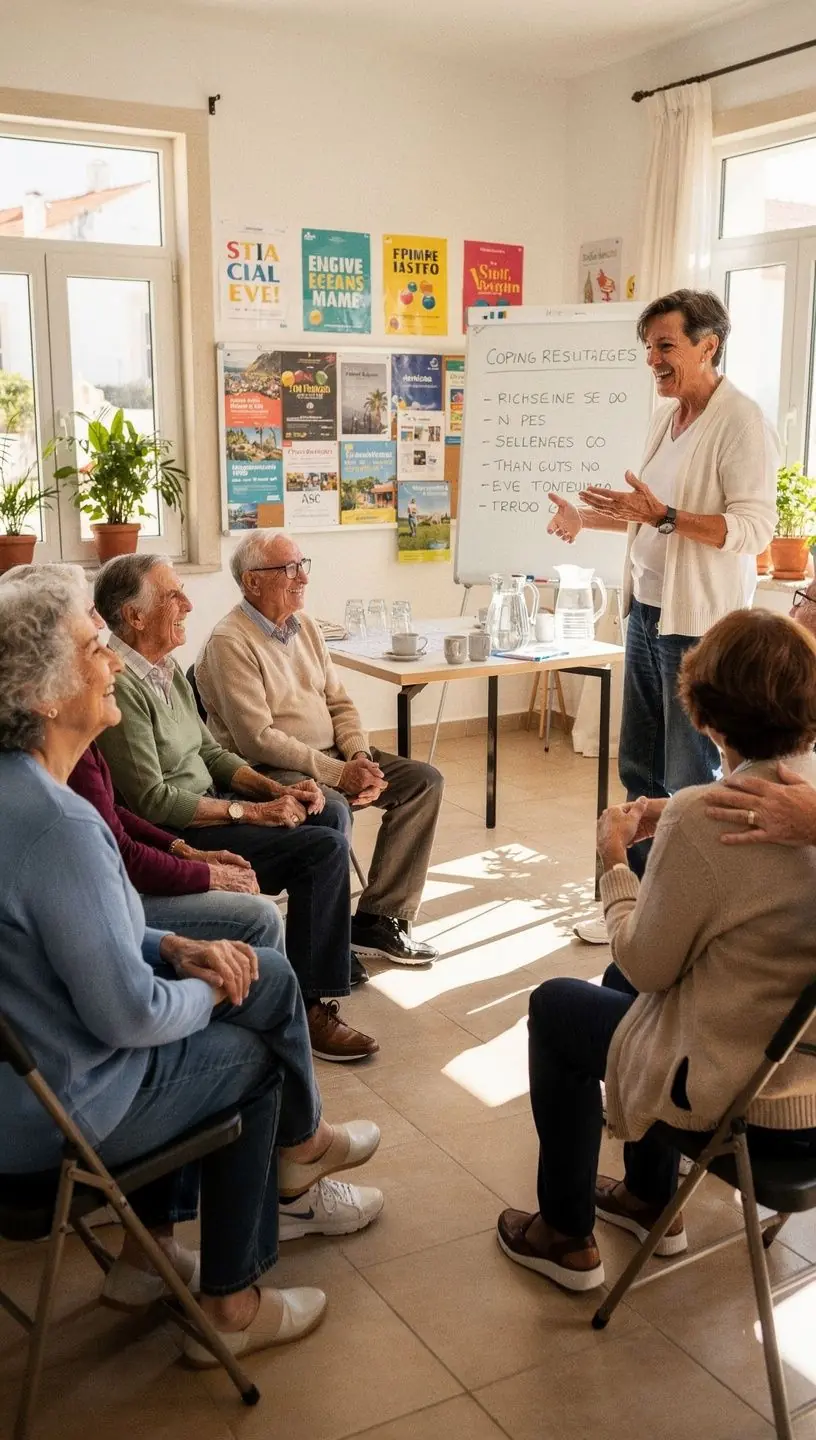
As retirees seek new avenues for connection and fulfillment, dance classes, particularly bachata and salsa, can serve as an engaging way to build a supportive network. This article explores how dance can facilitate connections and foster a sense of community among retirees.
Understanding the Social Benefits of Dance
Dancing, especially in social settings, often promotes a sense of belonging and camaraderie. According to research conducted by the University of California, engaging in social activities, such as dance, can significantly enhance emotional well-being, particularly among older adults. The principle behind this is simple: shared activities create opportunities for interaction, which can help form friendships and support networks.
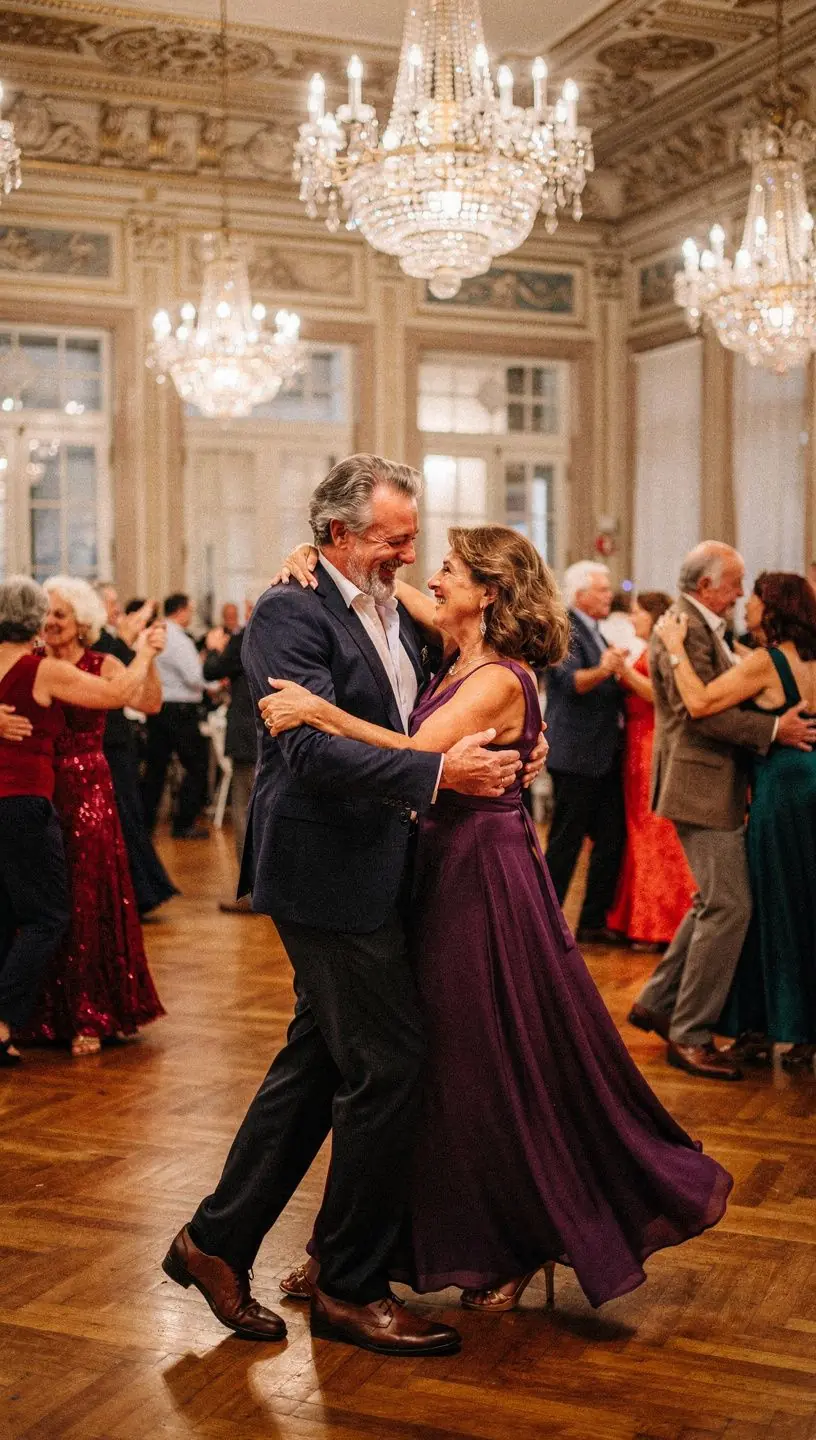
"Engaging in social dance can improve mental health and foster community ties, according to studies from the American Journal of Public Health."
How Dance Classes Facilitate Connection
Dance classes, particularly those focused on partner dances like bachata and salsa, provide a structured environment that encourages interaction. Here’s how:
- Shared Learning Experience: Participants often find that learning together fosters collaboration and encouragement, which is essential for building trust and rapport.
- Regular Interaction: Classes typically meet weekly, providing a consistent opportunity for social engagement. This regularity allows relationships to develop over time.
- Inclusive Environment: Dance classes are often designed to be welcoming and inclusive, making it easier for individuals to connect with others who share similar interests.
Setting Realistic Expectations
While the benefits of dance classes for building a supportive network are evident, it’s important to set realistic expectations:
- Time Commitment: It typically takes several weeks of regular attendance for participants to feel comfortable and begin forming connections, with many reporting a sense of belonging within 2-3 months.
- Learning Curve: Some may find the learning curve challenging at first, especially if they are new to dance. It’s advisable to approach classes with patience and a willingness to learn.
- Effort Required: Building relationships takes time and effort. Participants are encouraged to engage with their peers outside of class, such as attending socials or practicing together.
Conclusion
In summary, joining dance classes like bachata and salsa can be an effective way for retirees to build a supportive network. While the process requires commitment and effort, the potential benefits for emotional well-being and social connection are significant. By prioritizing engagement and maintaining realistic expectations, retirees can enjoy not only the joy of dance but also the invaluable connections that come with it.