Understanding the Cultural Roots of Bachata and Salsa
As retirees explore new hobbies and social opportunities, understanding the cultural roots of dance forms like bachata and salsa can enhance their experience. This article delves into the history and significance of these dances while providing insights into how they can promote foststoke.org and social engagement.
The Origins of Bachata
Bachata originated in the Dominican Republic in the early 20th century and has evolved significantly over the decades. Initially considered a music genre of the lower classes, studies indicate that bachata was a blend of African, Spanish, and Indigenous Taino influences. This fusion reflects the social and cultural complexities of the Dominican Republic, often symbolizing both joy and struggle.
The Roots of Salsa
Salsa, on the other hand, has a more diverse origin, emerging from Cuban son music in the 1920s and later gaining popularity in New York City during the 1960s. According to experts in Latin music, salsa incorporates elements from various cultures including African rhythms, jazz, and European melodies. This rich tapestry of influences makes salsa a vibrant expression of cultural identity.
"Bachata and salsa not only promote physical well-being but also facilitate social interaction, which is essential for mental health, especially in retirement." - Dance Therapy Research Journal
Cultural Significance
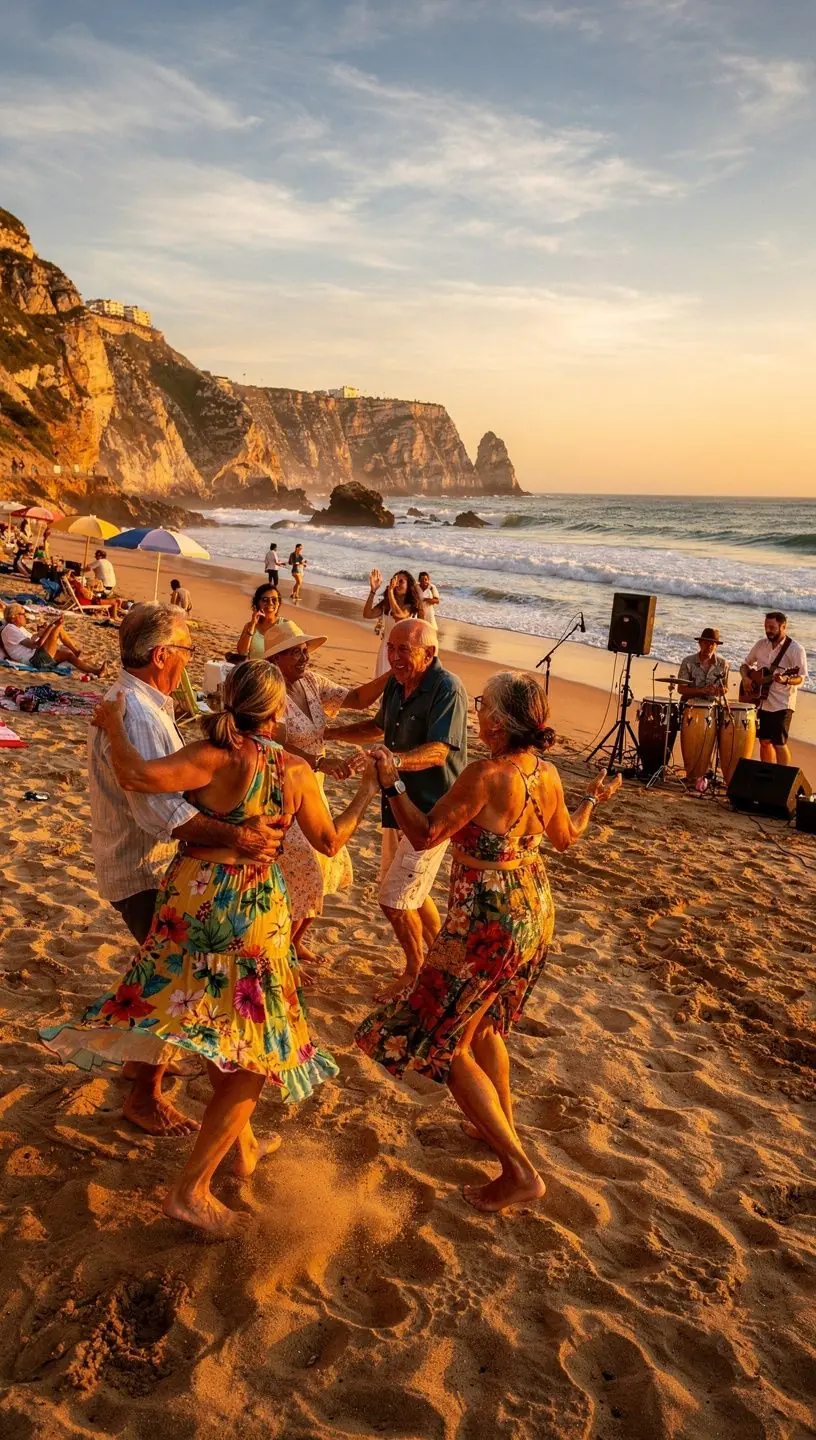
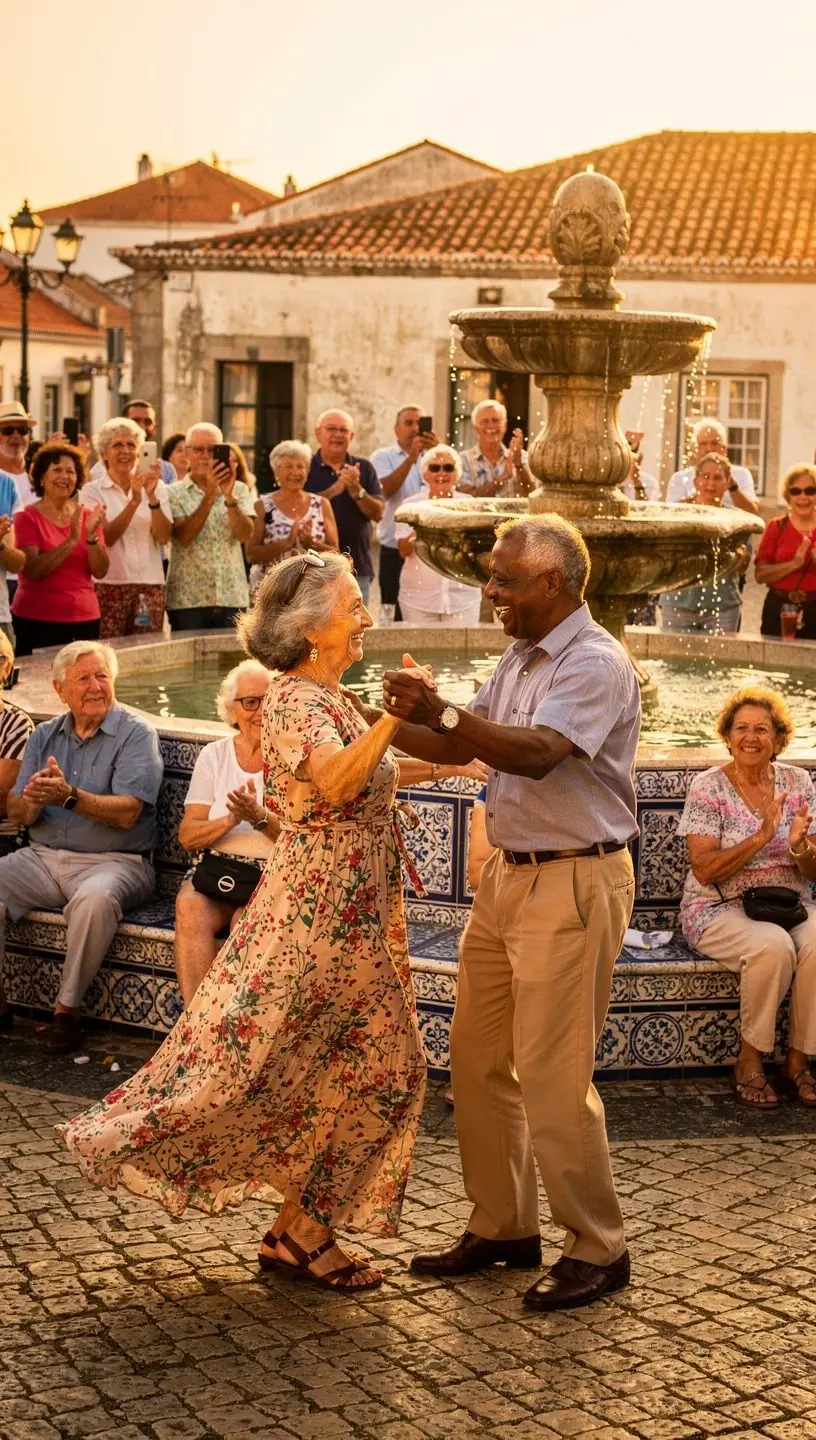
The cultural significance of these dance forms extends beyond mere entertainment. Engaging in bachata and salsa can foster a sense of community and belonging, particularly for retirees. Many users report that participating in social dance events enhances their emotional well-being and mitigates feelings of loneliness.
Benefits of Engaging in Dance
- Social Interaction: Dance events create opportunities for retirees to connect with others, forming friendships and support networks.
- Physical Activity: Regular dancing can improve cardiovascular health, flexibility, and overall physical fitness—a vital aspect for maintaining health in later years.
- Mental Stimulation: Learning new dance steps and routines can keep the mind engaged, potentially lowering the risk of cognitive decline.
Getting Started with Bachata and Salsa
For those interested in exploring bachata and salsa, it is recommended to start with beginner classes that typically last 6-8 weeks. These classes often provide a supportive environment where participants can learn the basic steps and rhythms. Experts suggest focusing on the following aspects:
- Choose the Right Class: Look for classes that cater specifically to retirees or beginners to ensure a comfortable learning pace.
- Practice Regularly: Engaging in practice sessions outside of class can reinforce learning, typically requiring 2-3 hours a week for noticeable improvement.
- Engage in Social Events: Attend local dance socials to apply what you’ve learned in a welcoming setting, fostering both skill and social connections.
Conclusion
Understanding the cultural roots of bachata and salsa not only enriches the dancing experience but also promotes foststoke.org and community engagement for retirees. While embarking on this journey involves time and dedication, the benefits of social interaction, physical health, and mental stimulation make it a worthwhile endeavor. As you explore these vibrant dance forms, remember that the journey of learning and embracing new cultures can lead to fulfilling experiences in your retirement years.