The Impact of Dance on Cognitive Function in Seniors
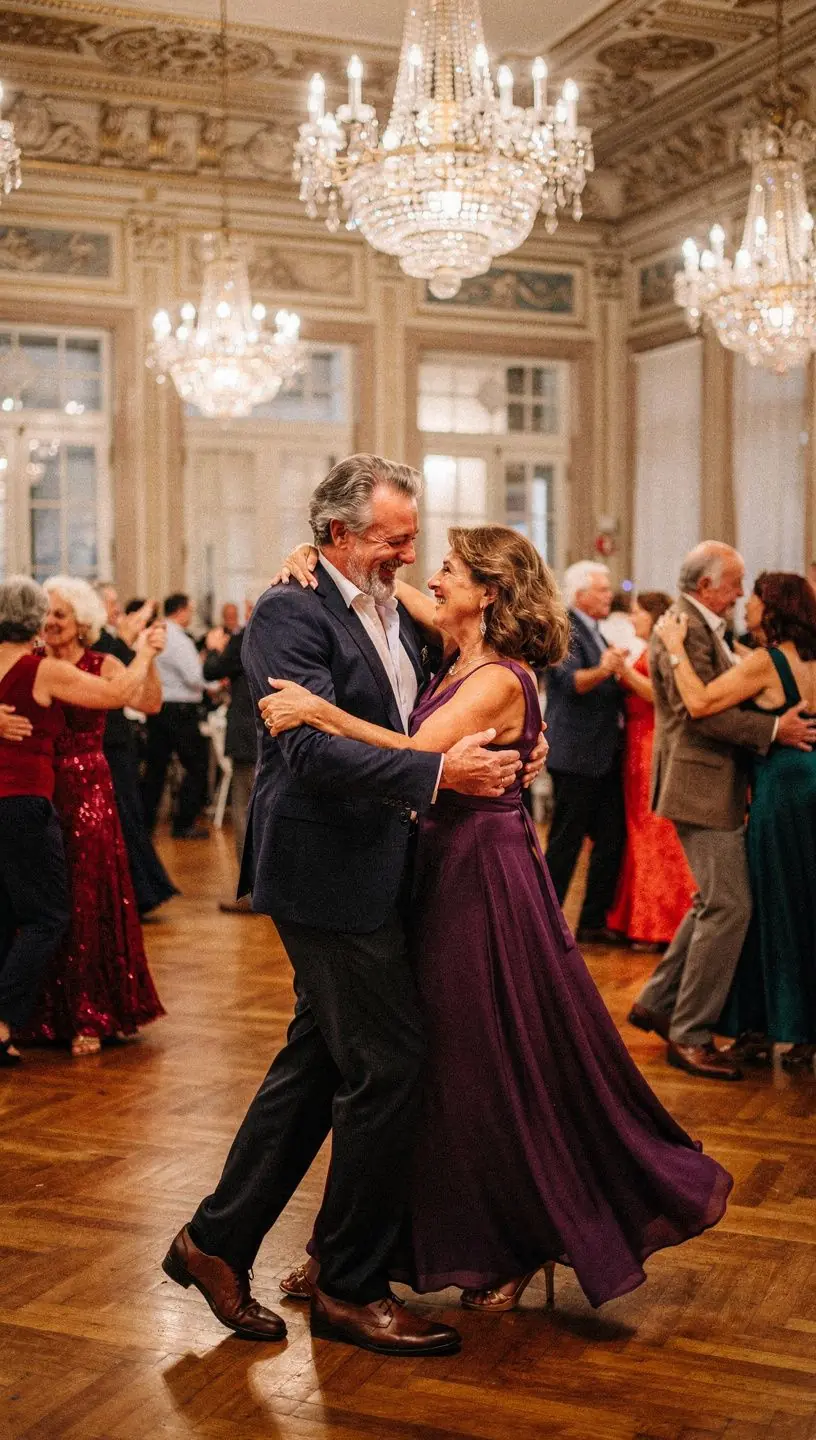
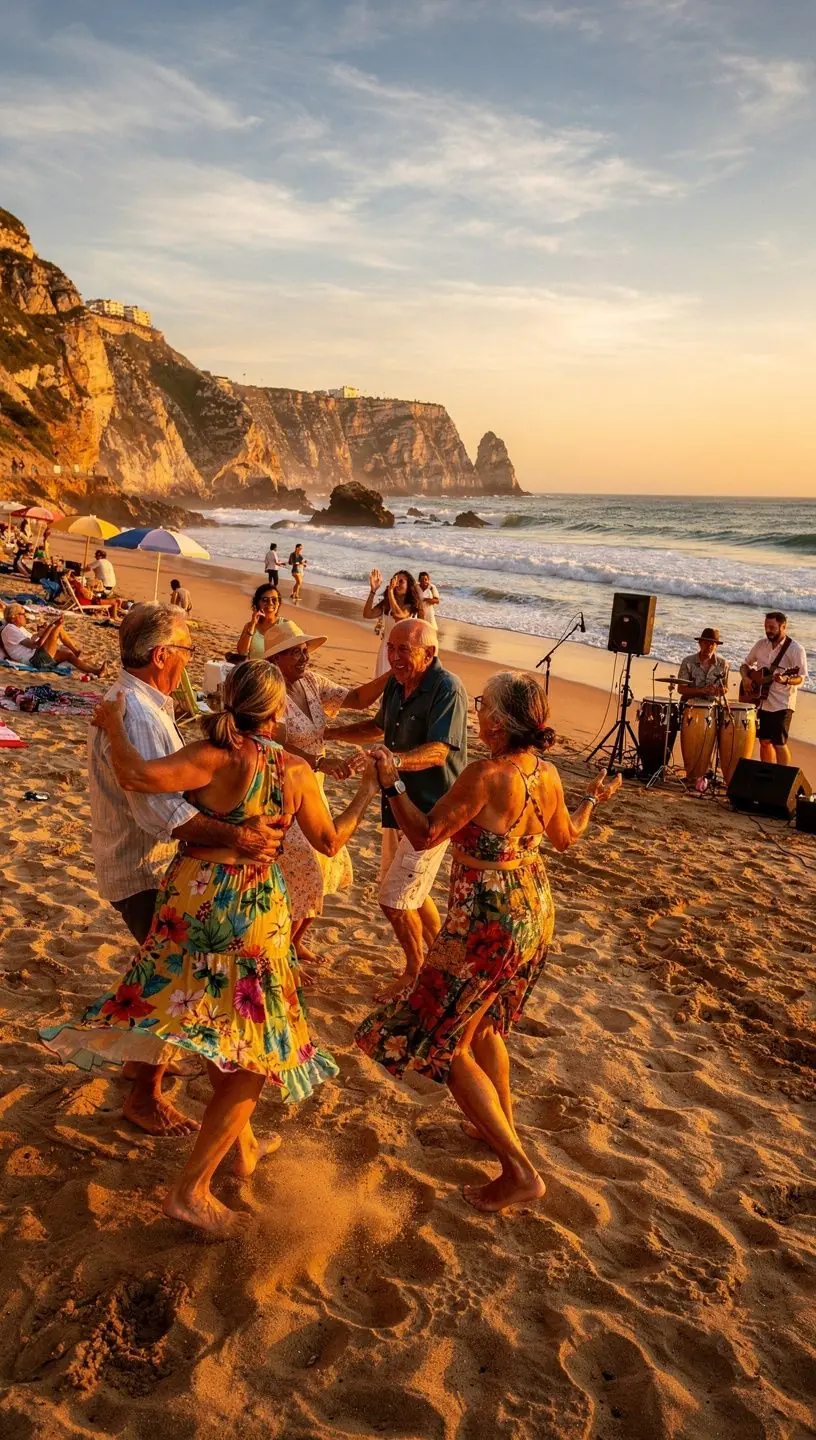
As we age, maintaining cognitive health becomes increasingly important. Engaging in activities that challenge both the mind and body is essential. Dance, particularly styles like bachata and salsa, not only offers physical benefits but can also enhance cognitive function in seniors. This article explores the evidence supporting the positive effects of dance on cognitive abilities in older adults.
Understanding the Cognitive Benefits of Dance
Research indicates that engaging in dance can be a powerful tool for improving cognitive function among seniors. Experts recommend dance as a multifaceted activity that combines physical exercise, mental engagement, and social interaction. According to a study published in the journal Frontiers in Aging Neuroscience, seniors who participate in regular dance activities demonstrate improved memory, attention, and problem-solving skills.
"Dance offers a unique blend of physical and mental stimulation, making it an effective way to enhance cognitive health in older adults." – Dr. Sarah Thompson, Cognitive Scientist
How Dance Stimulates the Brain
The principle behind dance's cognitive benefits lies in its complexity. Dancing requires the integration of various skills such as memory (remembering steps), coordination (moving the body), and social interaction (communicating with partners). Studies show that activities that involve complex movement patterns, like salsa and bachata, can lead to neuroplasticity, the brain's ability to adapt and reorganize itself.
Key Mechanisms of Cognitive Improvement
- Memory Enhancement: Learning new dance routines challenges the brain to retain and recall information, a practice shown to improve memory capacity.
- Social Engagement: Participating in dance socials fosters social connections, which have been linked to lower rates of cognitive decline.
- Physical Fitness: Dance enhances cardiovascular health, which is crucial for maintaining adequate blood flow to the brain, thereby supporting cognitive function.
Practical Applications: Integrating Dance into Daily Life
For retirees looking to enhance their cognitive health through dance, here are some practical steps:
- Join a local dance class specializing in bachata or salsa, which typically meets once or twice a week. This commitment can take a few weeks before you notice improved skills and confidence.
- Engage in community dance socials where you can practice skills and meet new people. This social element is vital, as research suggests that social activities contribute significantly to cognitive health.
- Consider incorporating dance into your home routine. Even short sessions of dancing to your favorite music can provide mental and physical benefits.
Acknowledge the Limitations
While dance can be a beneficial activity, it is important to recognize that results may vary. Many users report improvements in cognitive function, but these changes typically require consistent practice over several months. Additionally, individuals with certain mobility issues may find some dance styles challenging, so adaptations or alternative forms of dance may be necessary.
Conclusion
Incorporating dance into the lives of seniors can serve as an effective approach to enhance cognitive function, improve social connections, and boost overall well-being. By understanding the mechanisms behind dance's benefits and setting realistic expectations, retirees can enjoy a fulfilling and engaging way to maintain their cognitive health. Remember, the journey through dance is not just about the moves; it’s about the joy and connection it brings to life.
Learn More