Understanding the Benefits of Dance for Seniors
As retirees seek avenues for foststoke.org and social engagement, dance emerges as a compelling option. Not only does it provide a joyful pastime, but it also offers numerous physical and mental health benefits tailored for seniors.
The Physical Benefits of Dancing
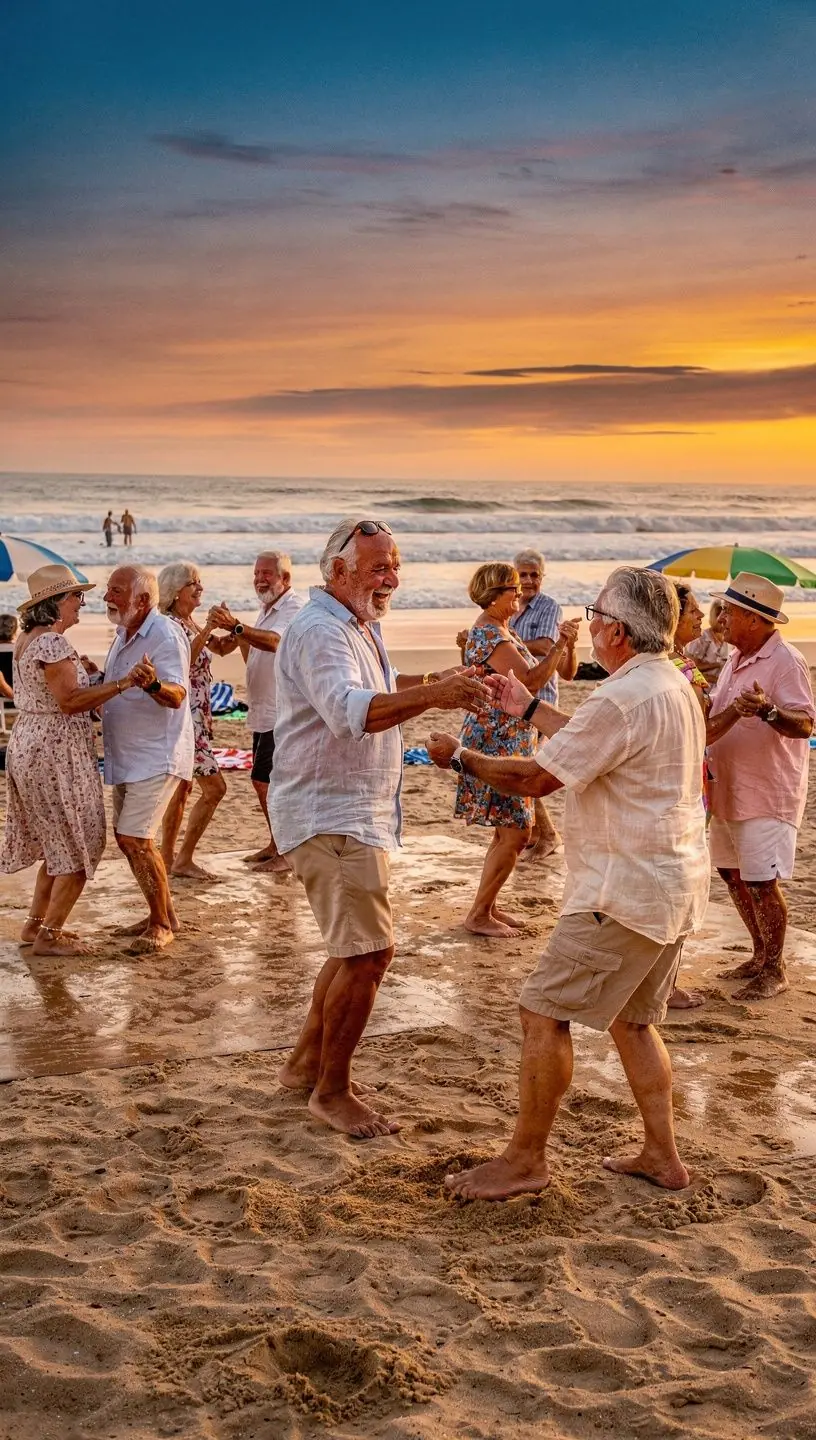
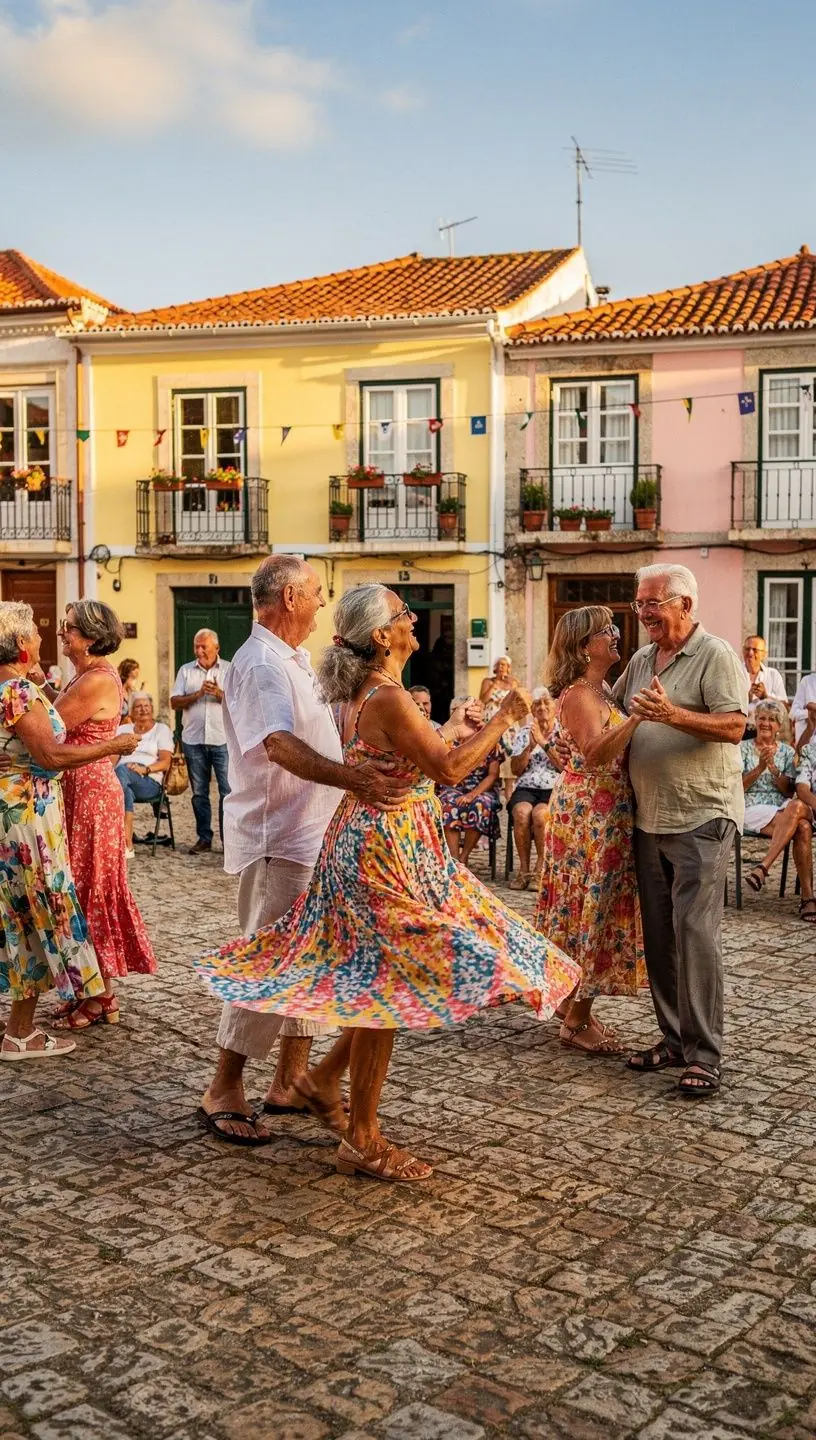
Dancing is often recommended for seniors as a fun way to stay active. According to research published in the Journal of Aging and Physical Activity, engaging in dance can help improve balance and coordination, which are crucial for preventing falls. Many users report enhanced flexibility and strength as well.
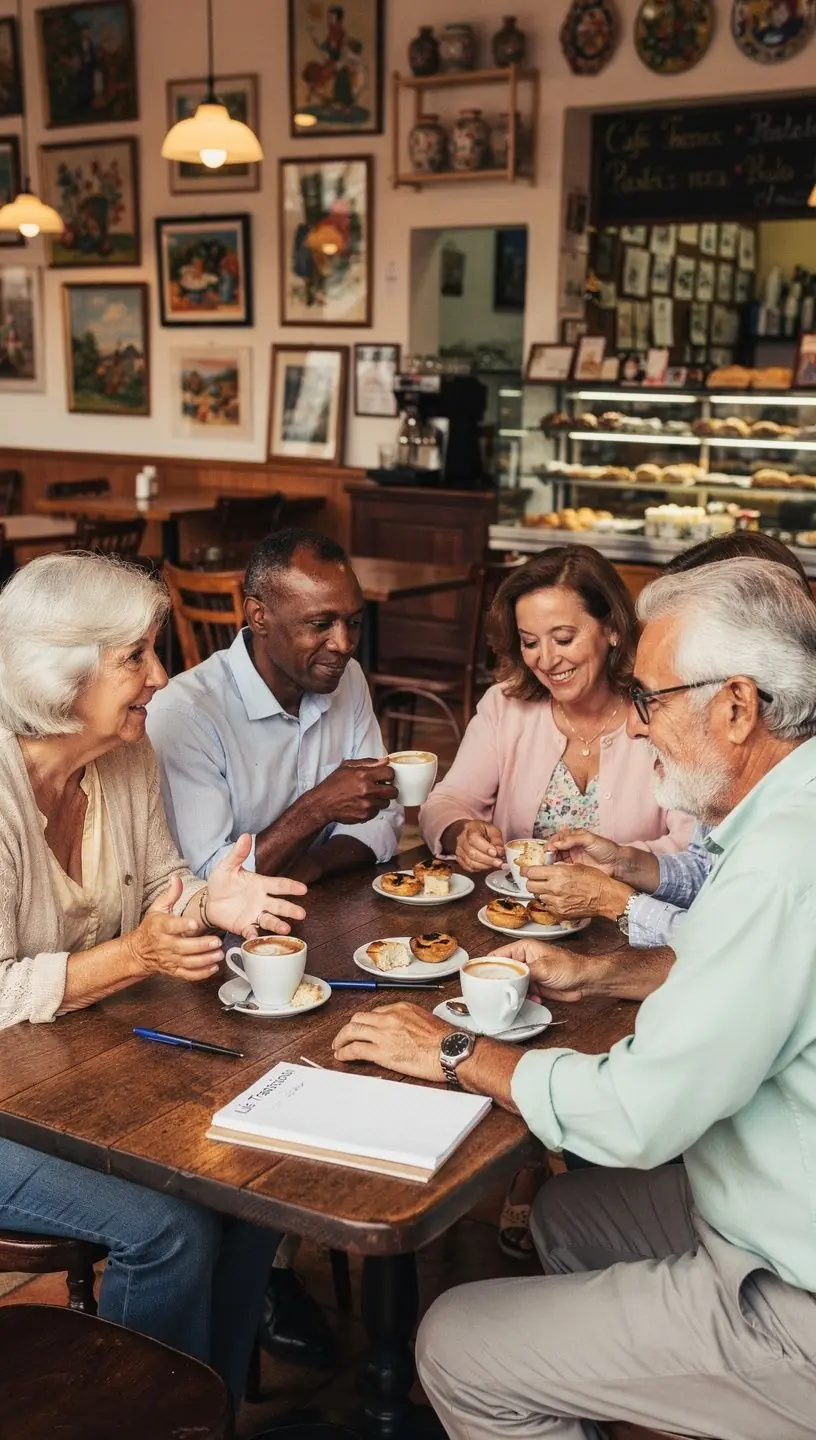
"Dancing is a unique form of exercise that combines physical activity with social interaction, making it particularly suited for older adults." - Dance Health Expert
The Mental and Emotional Advantages
Studies show that dance can also positively influence mental health. The American Journal of Public Health indicates that participating in dance can reduce symptoms of depression and anxiety in seniors. The social nature of dance, especially in group settings like salsa and bachata socials, fosters connections, reducing feelings of loneliness and isolation.
Why Dance Works for Mental Health
This works because dancing stimulates production of endorphins, often referred to as "feel-good" hormones. Thus, engaging in dance can uplift mood and promote overall well-being.
Practical Application: Getting Started
If you're considering incorporating dance into your routine, here are some practical insights:
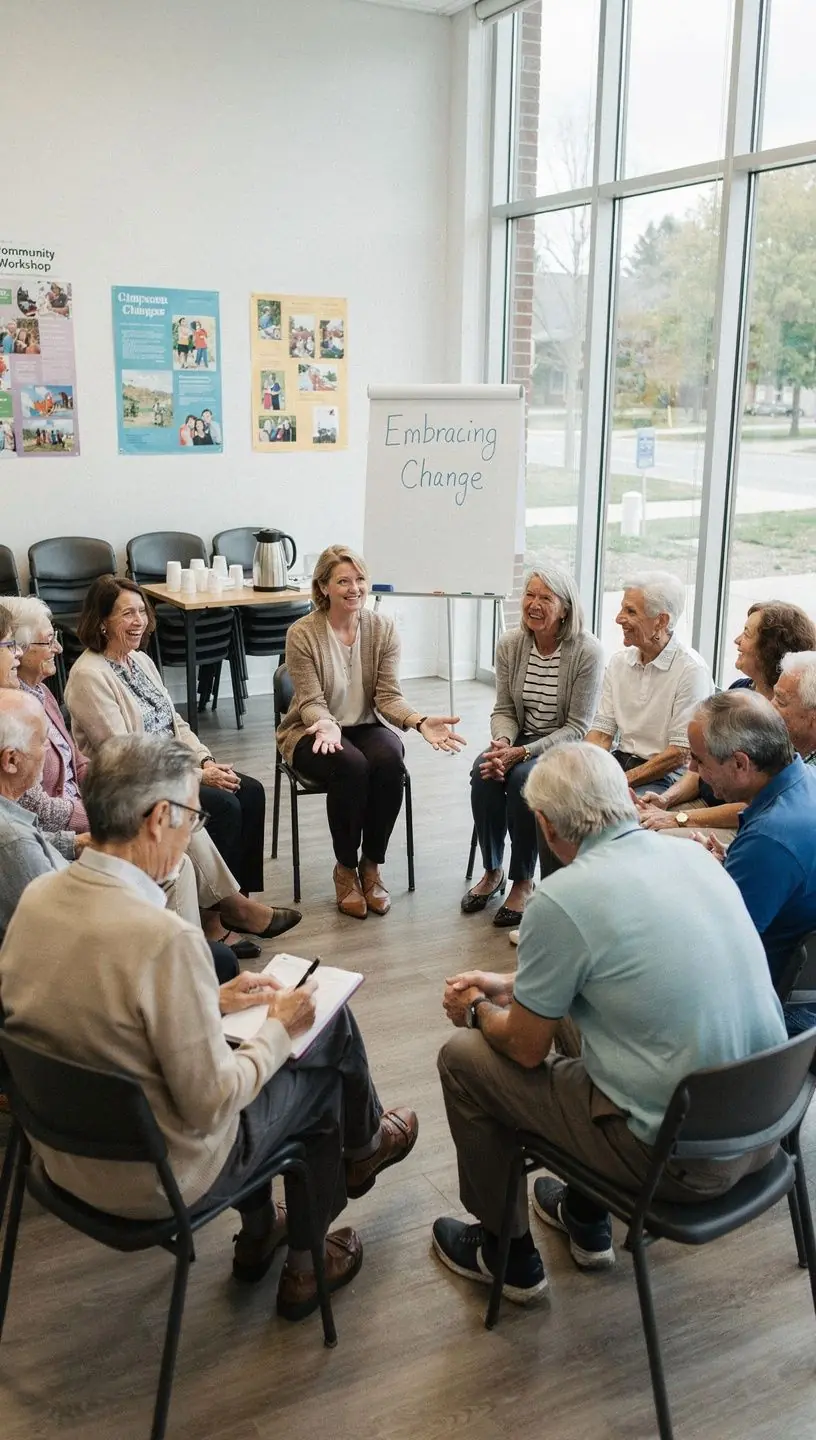
- Join a Class: Many community centers offer dance classes specifically designed for seniors. These classes typically cater to various skill levels and provide a supportive environment.
- Start Slow: If you’re new to dancing, consider beginning with short sessions of 20-30 minutes. Gradually increase the duration as you become more comfortable.
- Focus on Enjoyment: The key to benefitting from dance is to enjoy the process. This approach not only improves your experience but also enhances the mental health benefits.
Acknowledging Limitations
While dance offers many advantages, it’s important to acknowledge some limitations. For instance, those with certain health conditions or mobility limitations may need to consult a healthcare provider before starting. Additionally, dance classes may require a time commitment of 1-2 hours per week for optimal benefits.
Conclusion
In conclusion, dance can be an effective way for seniors to promote physical and mental health. By fostering social connections and providing physical activity, it may improve overall well-being. As with any new activity, it’s important to approach dance with an open mind and a willingness to engage. Whether through salsa, bachata, or other styles, many seniors find that dancing enhances their quality of life while allowing for foststoke.org in their retirement years.